
Trézor.io/Start — Starting Up™ Your Device | Trezor®
Learn about Trezor.io/start and discover essential steps for preparing your Trezor hardware wallet, connecting Trezor Suite, organizing accounts, and protecting recovery information.
Trezor.io/start: A Practical Guide to Trezor Wallet Setup and Security
Setting up a hardware wallet for the first time requires careful attention to software, device verification, wallet backup, and transaction security. Unlike a conventional online account, a Trezor hardware wallet is designed to work with a dedicated physical device and compatible wallet software.
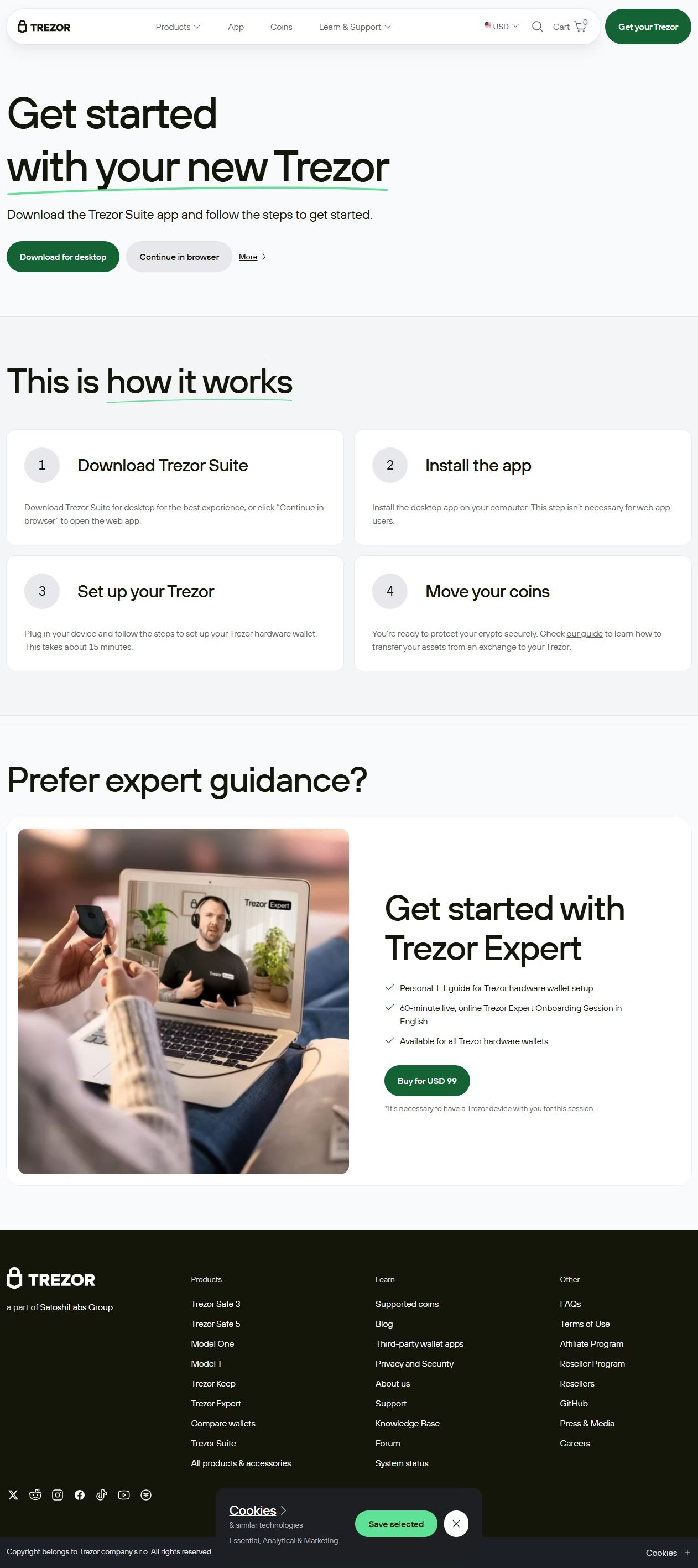
Trezor.io/start provides a starting point for users beginning the Trezor wallet setup process. The current onboarding flow directs users toward Trezor Suite, where they can connect their device and follow the setup instructions for their particular Trezor model.
What Is Trezor.io/start?
Trezor.io/start is the Trezor setup page used to begin the onboarding process for a compatible Trezor hardware wallet. It provides access to the Trezor Suite application and setup instructions needed to connect and initialize the device.
The exact steps can vary according to the Trezor model and software version. For example, current Trezor guides show that supported devices can be connected to Trezor Suite, checked for security, and prepared for wallet creation or recovery.
Using the correct setup source is particularly important because cryptocurrency users can encounter fake websites and applications designed to imitate legitimate wallet services.
Why Use a Trezor Hardware Wallet?
A hardware wallet provides a dedicated device for managing the credentials used to authorize cryptocurrency transactions. Instead of relying only on a computer or browser, users interact with a physical Trezor device during important wallet operations.
Trezor Suite provides the software interface for managing supported accounts and assets, while the Trezor device remains an important part of the transaction-authorization process.
This separation between the software interface and physical wallet can help users understand which actions require additional verification on the device.
Preparing Before Trezor Wallet Setup
Before opening Trezor.io/start, users should have their Trezor device, compatible connection cable, computer or supported mobile device, and wallet backup materials ready.
Trezor's current device guides also recommend having the included backup cards and a pen available before beginning the setup process.
It is helpful to complete the setup in a private environment without interruptions. Wallet backup information is highly sensitive, so users should avoid allowing other people to view it.
Downloading Trezor Suite
The Trezor.io/start onboarding page currently directs users to download Trezor Suite for desktop, while also providing an option to continue in a browser.
For desktop setup, users can download and install the application on their computer before connecting the hardware wallet.
The application version and available features may change over time, so users should follow the instructions displayed by the current Trezor software rather than relying on outdated setup screenshots or third-party guides.
Connecting the Trezor Device
After installing Trezor Suite, the next stage is connecting the Trezor hardware wallet. Current Trezor guides describe a connection and device-security check before continuing with setup.
Users should carefully examine any security warnings or unexpected messages before continuing.
If the software indicates that something about the device or connection requires attention, it is better to pause and investigate rather than immediately approving the next step.
Installing Trezor Firmware
Depending on the device, a new Trezor may require firmware installation during setup. Current Trezor documentation explains that supported devices can arrive without firmware and that Trezor Suite guides users through installing the appropriate firmware.
During firmware installation, users should follow the instructions shown by Trezor Suite and avoid disconnecting the device while the installation is in progress.
The available firmware options can depend on the particular Trezor model and setup configuration.
Creating a New Trezor Wallet
After the device has been prepared, Trezor Suite can guide users through creating a new wallet or recovering an existing wallet backup.
For a new wallet, the setup process generates the wallet backup information through the Trezor device. Current Trezor guides refer to this as a wallet backup, while older materials may use terms such as recovery seed.
Users should carefully follow the instructions displayed on their particular Trezor device when creating this backup.
Protecting the Wallet Backup
The wallet backup is one of the most important pieces of information associated with a self-custody wallet. Anyone who obtains the backup information may potentially be able to recover access to the associated wallet.
For this reason, users should write the backup information down as instructed and keep it private and secure.
It should not be shared through email, messaging applications, websites, social media, or customer-support conversations. Users should also avoid storing sensitive wallet backup information in ordinary digital files unless Trezor's specific security guidance says otherwise.
Setting a Trezor PIN
A compatible Trezor setup may also include creating a PIN used to protect access to the physical device.
The PIN should be known only to the device owner and should not be written alongside sensitive wallet backup information in a way that makes unauthorized access easier.
Users should follow the PIN instructions displayed by Trezor Suite and their hardware wallet because the exact process can differ between device models.
Using Trezor Suite After Setup
Once the Trezor wallet has been initialized, Trezor Suite provides an interface for managing supported cryptocurrency accounts.
According to Trezor's current documentation, the desktop application can be used to connect a Trezor, manage accounts, view portfolio information, and handle supported cryptocurrency transactions.
Users can add supported networks and accounts as needed, depending on the assets and features currently available in their version of Trezor Suite.
Receiving Cryptocurrency Safely
Receiving cryptocurrency generally involves selecting the appropriate account and generating a receiving address.
Before using an address, users should verify that the correct cryptocurrency and network have been selected. Trezor's documentation specifically emphasizes choosing the correct coin and network because sending assets through an incompatible network can result in loss.
When supported, users should also verify the receiving address on their Trezor device before sharing it.
Sending Cryptocurrency With Care
Sending cryptocurrency requires additional attention because blockchain transactions may not be reversible after confirmation.
Before approving a transaction, users should review the recipient address, asset, network, amount, and applicable fee. The information displayed on the hardware wallet should be checked carefully before confirming the transaction.
If any transaction detail appears unexpected, users should stop and investigate before approving it.
Avoiding Fake Trezor.io/start Websites
Searching for Trezor.io/start can expose users to misleading pages that imitate Trezor branding.
A fake setup page may attempt to convince users to download an unfamiliar application or provide their wallet backup information. These requests should be treated as serious warning signs.
Users should verify that they are using Trezor's genuine website and should avoid relying on unfamiliar advertisements, unsolicited messages, or third-party download pages when setting up a hardware wallet.
Keeping Trezor Suite Updated
Wallet software can receive updates that introduce compatibility improvements, security changes, and new functionality. Users should pay attention to update notifications provided through trusted Trezor software.
When updating Trezor Suite or device firmware, users should follow the instructions provided by Trezor rather than downloading files from random websites.
A software update should never be treated as a reason to disclose a wallet backup to an unknown person or website.
Common Trezor Setup Mistakes
New users can make avoidable mistakes during the Trezor.io/start setup process. Common examples include downloading software from an unofficial source, failing to verify the device, rushing through the wallet-backup process, sharing sensitive information, or approving transactions without checking the hardware wallet.
Another mistake is assuming that Trezor Suite alone represents the entire wallet. Understanding the relationship between the Trezor device, wallet backup, and software interface is essential for responsible self-custody.
What to Do When Something Seems Wrong
If Trezor Suite displays an unexpected warning, a device check fails, or a website asks for sensitive wallet information, users should stop before continuing.
Do not provide wallet backup information simply because a website claims it is required for verification, synchronization, account recovery, or customer support.
Instead, close the suspicious page and consult Trezor's official documentation or support resources. Taking time to verify an unusual request can help prevent avoidable security problems.
Building Better Trezor Security Habits
Hardware-wallet security depends on consistent habits rather than a single setup step.
Users should keep their Trezor device protected, store the wallet backup securely, use trusted software, verify cryptocurrency addresses and networks, and review transaction information before approving it.
It is equally important to remain cautious about phishing attempts. A professional-looking website or convincing support message should never be considered proof that a request is legitimate.
Final Thoughts
Trezor.io/start provides a practical starting point for users who are beginning the setup of a compatible Trezor hardware wallet. The current onboarding process connects users with Trezor Suite and guides them through device connection, security checks, firmware installation, wallet creation or recovery, and backup steps.
The most important part of the setup is not simply completing each screen. Users should understand how the hardware wallet, Trezor Suite, wallet backup, and transaction-confirmation process work together.
By using trusted setup resources, protecting wallet backup information, verifying transactions carefully, and staying alert to fake websites, users can build safer and more informed habits for managing cryptocurrency with a Trezor hardware wallet.
Updated about 5 hours ago